Vietnam vs Thailand Coconut: Quality, Taste, and Pricing
The discussion about Vietnam vs Thailand Coconut: Quality, Taste, and Pricing matters more as health awareness grows worldwide. Consumers are looking for naturally sweet beverages, organic products, and safe agricultural exports. This trend increases demand in the global coconut market for Vietnam and Thailand. It also leads buyers to compare origin, flavor, and pricing.
The Vietnam coconut vs Thailand coconut comparison is not only about taste. It also covers supply chains, processing facilities, and export efficiency. Importers in north america, the chinese market, and the middle east evaluate quality standards, pricing structure, and delivery reliability. Understanding the difference between Vietnam and Thailand coconuts helps global buyers. It helps them choose the best supplier in Vietnam or Thailand for their target market.
Coconut Farming in Vietnam vs Thailand

Coconut farming in Vietnam vs Thailand shows clear structural differences in scale and organization. Vietnam’s coconut farms are concentrated in ben tre province, which is considered the heart of vietnam s coconut industry. Large growing areas allow stable raw material supply and strong Vietnam coconut supply chain efficiency.
Thailand coconut plantations are often smaller but focus on specific aromatic coconut varieties. This specialization supports the Thailand coconut premium segment and strengthens Thailand coconut brand reputation. However, smaller farm size can sometimes limit export volume compared to Vietnam.
Agricultural production systems in both countries support mature coconuts and young coconuts for fresh and processed markets. The Mature coconut comparison Vietnam Thailand shows similar meat thickness and oil content, but farming density and harvest management create cost difference Vietnam and Thailand coconut at the farm level.
For agricultural data reference, readers can explore https://www.fao.org/home/en.
Vietnam Coconut Quality Standards vs Thailand Coconut Quality Grade
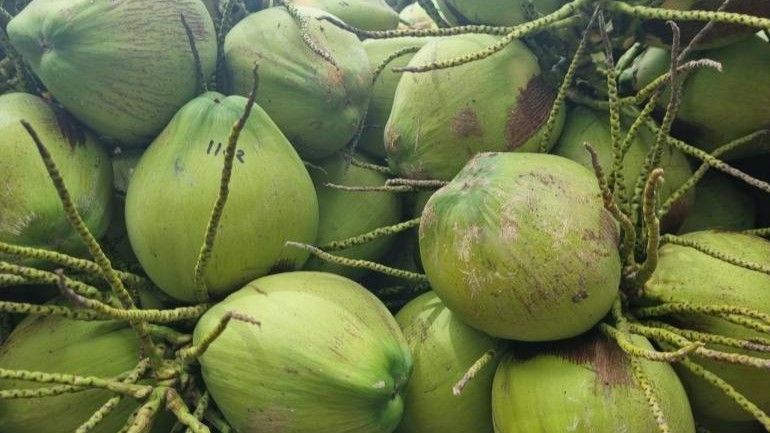
Vietnam coconut quality standards are increasingly aligned with international requirements such as organic certification and food safety regulations. Processing facilities in Vietnam apply strict sorting systems before fresh coconut export or coconut processing into desiccated coconut. This structured quality control improves Vietnam coconut export advantages in competitive markets.
Thailand coconut quality grade is strongly associated with aromatic young coconut varieties. The Thai coconut flavor profile is known for fragrance and sweetness, which supports premium positioning. In the Vietnam vs Thai coconut taste comparison, Thailand often wins on aroma. Vietnam competes with a steady level of sweetness.
Vietnamese coconut sweetness level is often described as clean and naturally sweet without strong perfume notes. This makes Vietnamese coconut attractive for mass consumption and beverage processing. Therefore, Vietnam coconut for international buyers often fits broader consumer preferences across regions.
For international quality guidelines, visit https://www.iso.org/home.html.
Taste Comparison and Consumer Preferences

The Vietnam vs Thailand young coconut debate mainly focuses on flavor and aroma. Aromatic Thai coconut vs Vietnamese coconut comparisons show Thai products have floral notes and strong fragrance. This sensory feature influences consumer preferences in premium supermarkets.
Vietnamese coconuts are valued for balanced sweetness and refreshing taste. In blind testing, some buyers prefer Vietnamese coconut because it is less overpowering and more versatile for juice blending. This difference between Vietnam and Thailand coconut taste directly impacts positioning in different retail segments.
Health consciousness also shapes demand because consumers look for pure and natural hydration options. Both countries benefit from this global trend, yet price sensitivity influences final purchasing decisions. As a result, Vietnam vs Thailand coconut for US market and Vietnam vs Thailand coconut for Europe market comparisons often balance taste with affordability.
Pricing Structure and Export Market Competition
Coconut price comparison Vietnam vs Thailand shows Vietnam often provides more competitive pricing. Vietnam coconut export pricing benefits from larger scale agricultural exports and efficient logistics. This cost advantage strengthens Vietnam coconut industry analysis in global trade reports.
Thailand coconut pricing structure is typically higher due to brand image and aromatic positioning. Thailand coconut export market focuses on premium segments, especially in north america and developed Asian cities. This strategy allows Thailand to maintain value even with smaller production scale.
The Southeast Asia coconut market comparison reveals strong coconut export competition Southeast Asia. Vietnam coconut export advantages come from integrated supply chains and large processing capacity that processes coconuts into fresh, dried coconut, and desiccated coconut. Meanwhile, Thailand coconut industry overview highlights niche branding and premium differentiation rather than volume leadership.
Trade statistics and global insights can be reviewed at https://www.trademap.org.
Supply Chains and Processing Capacity
Supply chains determine long term competitiveness in the Vietnam coconut vs Thailand coconut comparison. Vietnam coconut supply chain efficiency is supported by centralized processing facilities located near coconut farms. This reduces transportation cost and improves export timing reliability.
Vietnam s coconut industry has invested heavily in coconut processing technology that processes coconuts into fresh export products, coconut milk, and desiccated coconut. These diversified outputs strengthen resilience when fresh demand fluctuates. Strong infrastructure allows Vietnam to respond quickly to high demand from the chinese market and the middle east.
Thailand also maintains modern facilities but often focuses on maintaining quality image for fresh premium coconuts. While both countries serve north america and europe, Vietnam’s large agricultural exports volume creates stronger negotiating power in price sensitive markets. This explains why the fresh coconut supplier comparison Asia often highlights Vietnam for scale and Thailand for branding.
Frequently Asked Questions
-
What is the main difference between Vietnam and Thailand coconut
- Vietnam offers competitive pricing and large scale supply while Thailand focuses on aromatic premium coconut varieties
-
Which country has stronger supply chains
- Vietnam is known for strong Vietnam coconut supply chain efficiency due to centralized processing facilities
-
How does the taste differ in Vietnam vs Thai coconut taste comparison
- Thai coconut has a strong floral aroma while Vietnamese coconut has balanced and naturally sweet flavor
-
Which is better for international buyers
- The best coconut supplier Vietnam or Thailand depends on consumer preferences, budget, and target market positioning
-
Is there a big coconut price comparison Vietnam vs Thailand gap
- Vietnam generally offers lower export pricing while Thailand positions itself in the premium segment
Conclusion
The Vietnam vs Thailand Coconut: Quality, Taste, and Pricing comparison shows two different competitive strategies in the global coconut market Vietnam vs Thailand. Thailand leads in aromatic branding and premium perception, while Vietnam dominates in scale, supply chains, and competitive pricing.
For importers in north america, the chinese market, europe, and the middle east, the final decision depends on taste preference, pricing goals, and supply reliability. As coconut export competition Southeast Asia continues to grow, both countries will strengthen their processing capacity and export strategies to meet global high demand.