The Ideal Transit Time for Fresh Coconut Export plays a critical role in maintaining product freshness, protecting brand reputation, and meeting growing market demand in international markets. As the coconut industry expands across the global market, exporters must calculate shipping duration carefully to protect quality and reduce financial risk. A well managed fresh coconut export strategy ensures that international buyers receive high quality coconut products that meet strict standards.
Vietnamese coconut suppliers have become key contributors to the export market due to strong agricultural production and favorable climate for coconut palm cultivation. From coconut farming to packaging and customs clearance, every step of the export process affects final quality upon arrival in north america, the united states, europe, and the middle east. Understanding the Ideal shipping duration for fresh coconut export helps exporters align logistics with biological shelf life.
Fresh coconuts are natural raw material products with limited preservation time, so managing the Fresh coconut export timeframe is not only a logistics issue but also a scientific calculation. Whether shipping mature coconuts, trimmed young coconuts, or dried coconut, exporters must adapt transport plans to protect product integrity. The Best delivery time for coconut export is achieved when harvesting, cooling, and shipping are synchronized effectively.
Understanding the Ideal Shipping Duration for Fresh Coconut Export

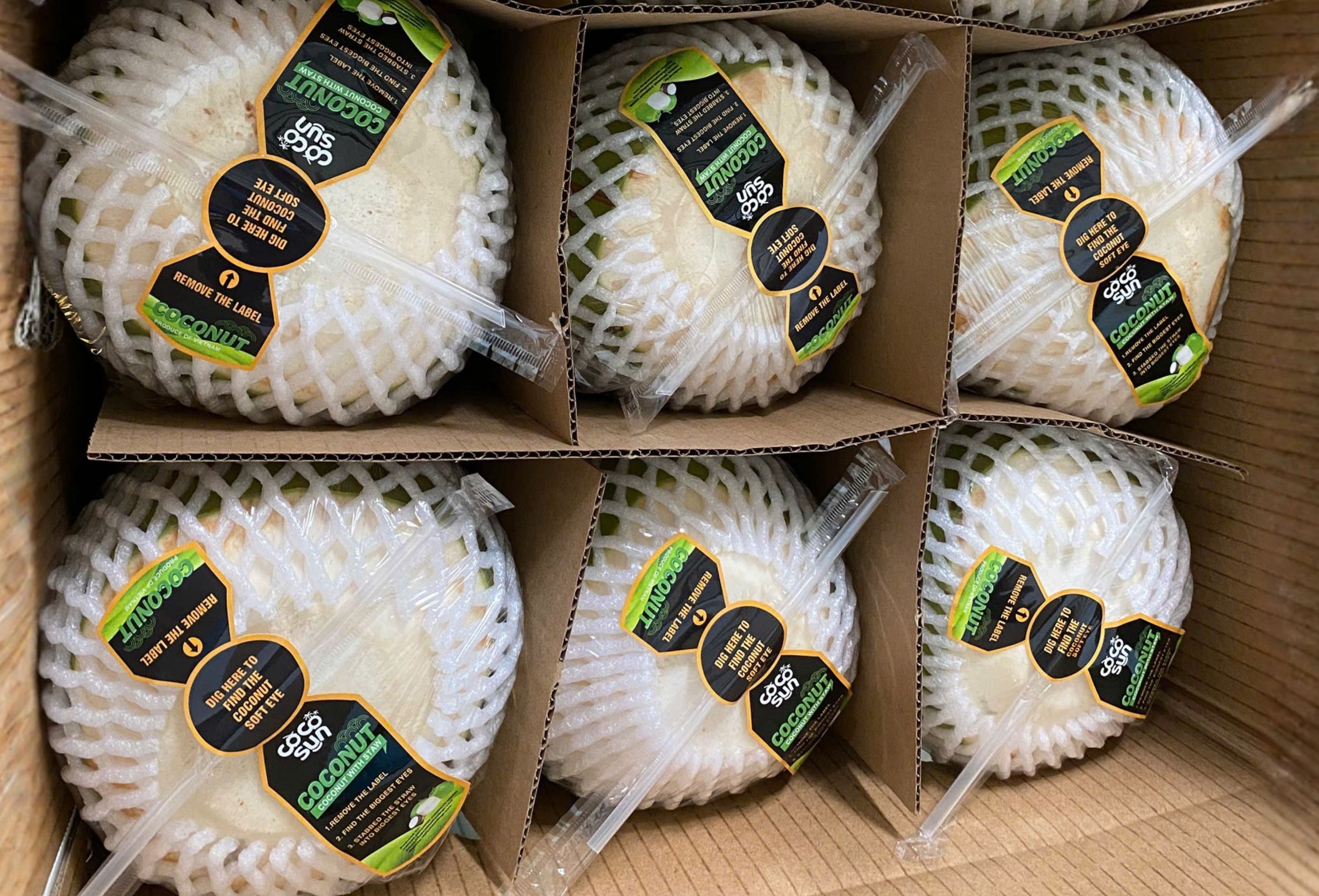
The Ideal shipping duration for fresh coconut export typically ranges from 15 to 30 days for young coconuts under refrigerated conditions. Mature coconuts with thicker shells can sometimes tolerate up to 45 days if humidity and ventilation are controlled properly. The optimal transit time for coconut shipment depends on temperature stability, harvest maturity, and packaging method.
Young coconuts contain more water, which makes them more sensitive during fresh coconut sea freight transit. If shipment exceeds the Export transit period for young coconut, water may lose sweetness and clarity. Exporters targeting the united states or europe must calculate the Coconut export to USA shipping duration and Coconut export to Europe transit time carefully to avoid spoilage claims.
Mature coconuts and dried coconut products are more resistant during transport because moisture content is lower. However, even these products require attention to prevent mold or dehydration. The shelf life of fresh coconut during transport becomes a key decision factor when planning global coconut export shipping time.
Transit Time to Key International Markets

Shipping from Vietnam to the united states usually takes between 20 and 30 days depending on the port of entry and customs clearance speed. West Coast ports in north america reduce transit days compared to East Coast routes. This makes the Coconut export to USA shipping duration shorter when logistics planning is optimized.
For europe, the Coconut export to Europe transit time often ranges from 25 to 35 days by sea freight. Because of longer travel distance, exporters must strengthen Coconut cold chain transportation and pre cooling procedures. Any delay in customs clearance can extend the Fresh coconut export timeframe beyond safe limits.
Exports to the middle east generally require around 15 to 25 days depending on port congestion and route conditions. The export market in this region is growing rapidly due to high demand for tropical products. Managing Coconut shipping duration worldwide requires adapting to each regional logistics challenge.
Role of Vietnamese Coconut in the Global Market


Vietnamese coconut has gained strong recognition in international markets due to consistent supply and competitive pricing. Coconut farming in the Mekong Delta supports large scale agricultural production, creating stable raw material sources for the coconut industry. This supply stability strengthens Vietnam fresh coconut export logistics performance.
Cocosun focuses on selecting high quality coconut harvested at optimal maturity to support long shipping durations. By improving Coconut export supply chain optimization, the company reduces waste and ensures reliable delivery to international buyers. Its strategy shows how export success depends on combining farming expertise with logistics precision.
Vietsun Holding enhances Fresh coconut logistics management by investing in refrigerated containers and real time monitoring systems. The company supports smooth export process operations from packaging to documentation and customs clearance. This integrated approach ensures that the Best delivery time for coconut export is maintained across destinations.
Export Process and Cold Chain Management
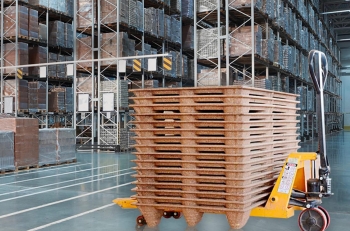
The export process begins at coconut palm plantations where harvest timing determines final quality. Immediate pre cooling slows respiration and extends Shelf life of fresh coconut during transport. Without this step, the Optimal transit time for coconut shipment may shorten significantly.
Coconut cold chain transportation ensures stable temperature between 2 and 5 degrees Celsius for young coconuts. Temperature fluctuation during Fresh coconut sea freight transit can cause internal damage even if the shell looks normal. Therefore, exporters use data loggers to monitor every stage of the Global coconut export shipping time.
Customs clearance efficiency also influences total Coconut shipping duration worldwide. Delays at destination ports in north america or europe can increase storage cost and quality risk. Effective Coconut export supply chain optimization integrates documentation, inspection, and logistics planning to protect product freshness.
Market Demand and Future Outlook
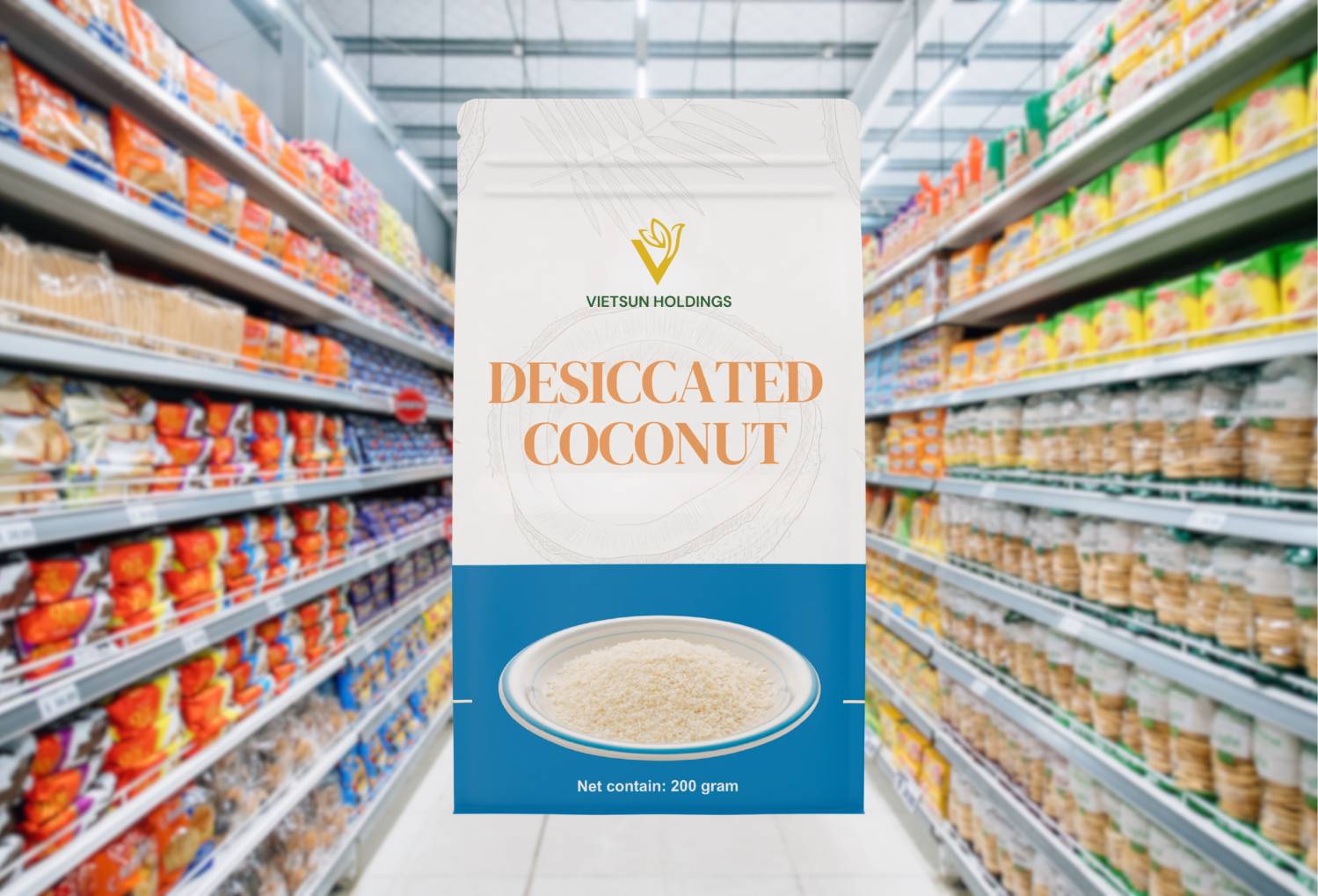

Market demand for fresh coconut export continues to grow in the global market due to health trends and natural beverage popularity. International buyers seek high quality coconut products that meet safety and sustainability standards. This demand increases competition within the export market.
The coconut industry is evolving from selling raw material to offering value added products such as trimmed coconuts and dried coconut snacks. Exporters who understand the Ideal Transit Time for Fresh Coconut Export gain competitive advantage because product freshness influences consumer satisfaction. Reliable delivery strengthens long term contracts in international markets.
As agricultural production expands and logistics technology improves, the Fresh coconut export timeframe may become more efficient. However, natural product limitations will always require precise management. Companies that align coconut farming, packaging, and transportation will continue leading the global coconut trade.
Frequently Asked Questions
-
What is the Ideal shipping duration for fresh coconut export
- Usually between 15 and 30 days for young coconuts and up to 45 days for mature coconuts under proper refrigeration
-
How long is the Coconut export to USA shipping duration
- Typically 20 to 30 days depending on port location and customs clearance
-
What affects the Shelf life of fresh coconut during transport
- Temperature stability, humidity control, harvest maturity, and packaging method
Why is Coconut cold chain transportation important
- It protects freshness, reduces spoilage risk, and maintains high quality coconut standards for international buyers
-
Which regions have strong market demand for fresh coconut export
- North america, the united states, europe, and the middle east are key international markets
Choosing Cocosun coconut for the best quality
The Ideal Transit Time for Fresh Coconut Export is a strategic balance between biological shelf life and global logistics efficiency. Managing the Optimal transit time for coconut shipment requires expertise in coconut farming, cold chain management, and export process coordination.
Vietnamese coconut exporters such as Cocosun and Vietsun Holding demonstrate how strong agricultural production combined with advanced Fresh coconut logistics management can meet international market expectations. By focusing on Coconut shipping duration worldwide and precise planning, exporters can protect quality, satisfy international buyers, and strengthen their position in the global market.