Why Businesses Choose to Import Fresh Coconut
Strong Agricultural Foundation Supporting Import Coconut from Vietnam
Companies that import coconuts from Vietnam benefit from its strong farming system. This is especially true in the Mekong Delta. Fertile soil and a tropical climate create ideal conditions for growing coconuts.
Vietnam has expanded its coconut farming area and improved efficiency. This makes it a reliable source for fresh young coconuts. It also supplies desiccated coconut, coconut milk, and other coconut products.
This agricultural consistency reduces supply price changes for international buyers who import coconut from Vietnam for retail and manufacturing distribution.
Vietnam’s coconut sector has also modernized processing facilities with improved hygiene controls and export certifications. These advancements improve product safety and product tracking.
These are critical for importers in regulated markets like Australia, the UAE, China, and the European Union. Market data shows Vietnam’s growing competitiveness in global agricultural exports. This helps explain why many distributors import coconut from Vietnam, not other origins.
Competitive Pricing Advantage When You Import Coconut from Vietnam
Another reason companies import coconut from Vietnam is cost efficiency balanced with quality stability. Compared to some neighboring producing countries, Vietnam offers competitive farm-gate pricing while maintaining export compliance standards. This balance enables importers to protect margins without sacrificing consistency in product performance.
For example, some beverage makers buy coconut water concentrate. Vietnam is often appealing to them. Prices usually stay stable during peak harvest seasons.
When businesses import coconut from Vietnam with long-term contracts, they can negotiate structured pricing. This helps reduce exposure to sudden market changes. This financial stability strengthens supply chain planning and inventory management.
Growing International Reputation Encouraging Import Coconut from Vietnam
Vietnam’s reputation in coconut exports has grown. Because wider use of certifications. These include HACCP and ISO-based food safety systems.
Buyers who import coconut from Vietnam increasingly view the country as a reliable origin rather than a secondary supplier. This perception shift supports long-term trade relationships and reduces hesitation among first-time importers.
Global trade resources, like the Food and Agriculture Organization, name Southeast Asia as a top coconut-producing region. This supports Vietnam’s strategic importance in international coconut trade.
How to Select the Right Supplier to Import Coconut from Vietnam
Certification and Compliance When You Import Coconut from Vietnam
Selecting a certified supplier is essential when planning to import coconut from Vietnam. Importers should verify food safety certifications, plant health compliance, and export documentation capabilities before confirming contracts. Proper documentation ensures smoother customs clearance and reduces risk of shipment rejection.
Reliable exporters provide transparent documentation including certificate of origin, commercial invoice, packing list, and laboratory testing reports. These documents support importer confidence and protect against regulatory complications. Buyers who import coconut from Vietnam successfully often prioritize suppliers with documented compliance history.
Production Capacity and Supply Stability for Import Coconut from Vietnam
Stable monthly capacity is crucial when businesses import coconut from Vietnam for consistent retail distribution. Suppliers with integrated sourcing networks are better equipped to handle seasonal demand shifts and maintain quality consistency.
For instance, retailers importing fresh young coconut for supermarket chains require predictable weekly shipments. Suppliers capable of forecasting harvest volumes and coordinating cold-chain logistics deliver stronger reliability. Stability directly influences brand reputation and consumer trust in destination markets.
Communication and Transparency in Import Coconut from Vietnam
Effective communication reduces confusion regarding product specifications, packaging standards, and shipment timelines. Importers should work with exporters who respond promptly and provide clear product descriptions.
Transparency also extends to pricing structures and payment terms. When companies import coconut from Vietnam under clearly defined agreements, daily business risk decreases significantly. Professional exporters understand that communication quality often determines repeat business.
Documentation and Regulatory Requirements to Import Coconut from Vietnam
Export Documentation Needed to Import Coconut from Vietnam
To import coconut from Vietnam, buyers must ensure all essential export documents are prepared accurately. These typically include plant health certificates, certificate of origin, bill of lading, packing list, and commercial invoice. Proper documentation verifies product origin and compliance with agricultural import laws.
Incomplete documentation can result in customs delays or additional inspection fees. Importers working with experienced exporters often experience fewer disruptions. The World Customs Organization provides broader insight into international customs standards affecting agricultural imports.
Food Safety Standards Impacting Import Coconut from Vietnam
Food safety regulations vary depending on destination country. Markets such as Australia or China may require additional inspections or laboratory testing before approving entry. Understanding these regulatory frameworks helps importers anticipate compliance costs.
When businesses import coconut from Vietnam from certified facilities, they minimize risk of regulatory rejection. Certification alignment between exporter and importer countries accelerates customs clearance and strengthens supply reliability.
Labeling and Packaging Compliance for Import Coconut from Vietnam
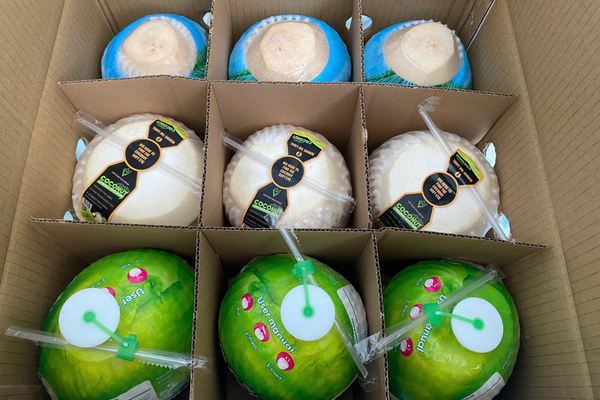
Proper labeling including production date, shelf life, batch number, and importer information is often mandatory. Packaging integrity also protects product freshness during long-distance shipping.
Export-ready packaging reduces damage risk and enhances retail presentation. Companies that import coconut from Vietnam for branded resale should align packaging standards with local consumer expectations.

Logistics and Shipping Strategies to Import Coconut from Vietnam
Sea Freight Planning for Import Coconut from Vietnam
Sea freight remains the primary transport method when companies import coconut from Ben Tre, Vietnam in bulk quantities. Transit times vary depending on destination port, shipping route, and container availability.
Refrigerated containers are often necessary for fresh young coconut shipments to maintain shelf life. Proper temperature management protects product quality throughout transit.
Shipping coordination with experienced freight forwarders reduces delays and optimizes container use.
Shelf Life Management While You Import fresh Coconut
Shelf life considerations are critical when importing fresh coconut products. Temperature stability, harvest timing, and packaging methods significantly influence product longevity.
Importers should coordinate closely with suppliers regarding harvest schedule and departure timing. This alignment ensures optimal freshness upon arrival.
Effective shelf-life planning enhances consumer satisfaction and reduces product waste.
Cost Optimization in Import Coconut from Vietnam
Container combining shipments and mixed-product shipments can improve freight cost efficiency. Businesses importing multiple coconut formats may benefit from optimized loading strategies.
Balancing cost with freshness remains essential. Cheaper freight options that extend transit times may negatively affect product quality. Strategic logistics planning strengthens profit potential.
Why Choose CocoSun and Vietsun Holdings as a trustworthy exporter of fresh coconut
Integrated Supply Chain for Import Coconut from Vietnam
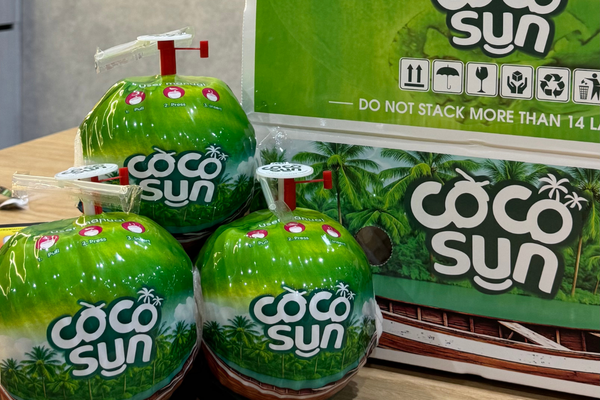
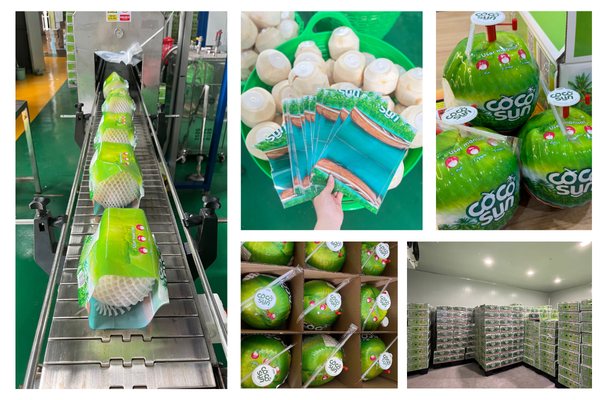
CocoSun by Vietsun Holdings represents a vertically integrated coconut export ecosystem in Ben tre, Vietnam. This structure allows buyers to import coconut from Vietnam with confidence in sourcing product tracking and quality standard consistency.
Integrated operations reduce supply chain fragmentation, enabling better quality monitoring from farm to export container. This reliability supports long-term importer partnerships.
Export Experience Supporting Import Coconut from Vietnam
Vietsun Holdings has developed export relationships across UAE, Australia, China, and other international markets. This experience ensures experience with documentation standards and regulatory expectations.
Buyers who import coconut from Vietnam through established exporters often benefit from smoother customs processes and reliable shipment timelines.
Partnership Approach When You Import Coconut from Vietnam
Beyond coconut supply and coconut production, CocoSun and Vietsun Holdings emphasize strategic collaboration, offering tailored packaging, mixed-container options, and transparent communication.
Such partnership-focused trade relationships strengthen trust and long-term commercial success.
Financial and Payment Considerations to Import Coconut from Vietnam
Payment Terms in Import Coconut from Vietnam
Payment structures often include wire transfers, deposit-based contracts, or letters of credit, based on risk and shipment size.
Clear agreement on payment terms protects both exporter and importer. Structured milestones reduce financial exposure.
Stable financial arrangements enhance long-term supply reliability.
Currency and Risk Management in Import Coconut from Vietnam
Currency fluctuations may impact contract pricing. Importers often negotiate fixed-price agreements during harvest seasons to stabilize costs.
Financial planning ensures sustainable procurement strategy.
Transparent communication regarding pricing adjustments strengthens commercial relationships.
FAQ About Import Coconut from Vietnam
1. What documents are required to import coconut from Vietnam
- You usually need a plant health certificate.
- You also need a certificate of origin.
- You need a bill of lading.
- You need a commercial invoice.
- You need a packing list
2. How long does it take to import coconut from Vietnam
- Transit time depends on destination but often ranges from one to four weeks
3. Is Vietnam a reliable country to import coconut from
- Yes Vietnam has growing certification standards stable production regions and improving export infrastructure
-
4. Can I import coconut from Vietnam in mixed containers
- Yes many exporters including CocoSun offer mixed container solutions combining different coconut formats
-
5. Why choose CocoSun to import coconut from Vietnam
- Because of integrated sourcing export experience and consistent quality assurance