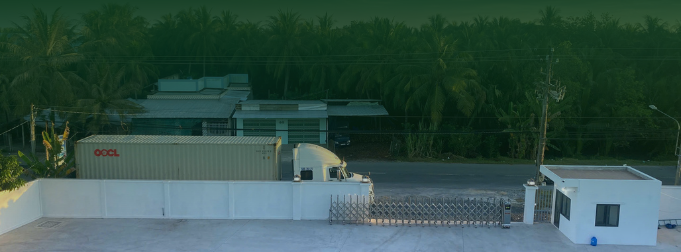
Introduction to the Global Market for Dried Coconut
The global market for dried coconut ingredients is growing. Consumers want more plant based foods. They also want healthy snacks. They want natural ingredients for cooking and baking.
Importers often review the desiccated coconut CIF price, export costs, and logistics before choosing suppliers.
They also compare coconut ingredients like shredded coconut, coconut flakes, and grated coconut. Understanding price structures helps buyers choose reliable suppliers and manage their import budgets effectively.
Dried coconut products come from fresh coconut meat. The meat is grated, dried, and processed into different sizes. These include fine coconut threads, medium shredded coconut, and larger coconut flakes.
These products maintain the natural sweetness, nutty flavors, and rich flavor and texture that make coconut popular in desserts, snacks, and savory dishes worldwide. Because drying lowers moisture, these products last longer than freshly grated coconut.
For importers, pricing terms like CIF and FOB help determine the final landed cost of coconut products. Evaluating the desiccated coconut CIF price, freight costs, packaging standards, and supplier reliability helps companies make better sourcing decisions.
Importers must also think about logistics, like sea freight. They must plan for shipping times. They must follow food safety rules when working with global coconut exporters.
What Is Dried Coconut and Why It Is Popular Worldwide
Dried coconut refers to coconut ingredients produced from fresh coconut meat that has been grated and dehydrated. This process creates many coconut ingredients.
These include unsweetened shredded coconut, coconut flakes, coconut threads, and fine grated coconut.
They are widely used in baking and food manufacturing. These ingredients are valued for their rich aroma and consistent flavor and texture.
Many food manufacturers prefer dried coconut because it provides natural sweetness without needing excessive added sugars. This makes it suitable for gluten free desserts, plant based snacks, and modern health focused food products. Popular examples include coconut macaroons, coconut cakes, and various sweet treats where coconut enhances both taste and texture.
Another advantage of dried coconut products is their longer shelf life, which allows them to remain stable during international shipping and storage. When stored properly, dried coconut stays fresh for months and maintains its quality even in long supply chains. This stability is one reason dried coconut has become an essential ingredient for bakeries, food processors, and coconut based product manufacturers.
.jpg)
CIF vs FOB Pricing: Understanding the Difference for Coconut Imports
For international buyers, understanding the difference between CIF prices and FOB prices is critical when evaluating coconut suppliers. FOB, or Free On Board, means the exporter pays production and loading costs.
This lasts until the goods are placed on the vessel at the departure port. The buyer then handles shipping, insurance, and logistics from that point forward.
CIF pricing stands for Cost, Insurance, and Freight. It includes sea freight, shipping insurance, and delivery to the destination port. When importers analyze the desiccated coconut CIF price, they are looking at a more complete estimate of the product’s landed cost. This pricing method helps simplify purchasing decisions for companies that prefer suppliers to handle logistics.
In the coconut industry, CIF prices often fluctuate based on global freight rates, harvest seasons, and export demand. Importers typically compare multiple suppliers and analyze prices for desiccated coconuts, quality certifications, and packaging standards before selecting a partner. A detailed understanding of both CIF and FOB pricing structures allows buyers to control costs while maintaining reliable supply.
Factors That Influence Desiccated Coconut CIF Price
Several factors determine the desiccated coconut CIF price in international trade. One important factor is the quality of raw coconut meat, which directly impacts the taste, color, and moisture content of the finished product. Premium suppliers use carefully selected coconuts to ensure consistent quality for baking and food manufacturing.
Production technology also influences export pricing for dried coconut ingredients. Modern processing facilities use advanced drying systems, hygienic packaging lines, and strict quality controls to produce safe and high quality coconut products. These improvements may slightly increase production costs but significantly improve shelf life and food safety standards.
Logistics and freight conditions are another major contributor to CIF prices. Since dried coconut is typically exported in large volumes by sea freight, global shipping costs can influence final pricing significantly. Seasonal supply changes, container availability, and international demand for coconut based ingredients also play important roles in determining export prices.
How Importers Use Dried Coconut in Food Manufacturing
Dried coconut ingredients are used in a wide range of food applications across different cultures and cuisines. Bakeries often use unsweetened shredded coconut, coconut flakes, and grated coconut in cakes, cookies, and desserts because they add rich aroma and texture. Products like coconut macaroons and coconut biscuits rely heavily on these ingredients for their signature taste.
Food manufacturers also use dried coconut in cereal bars, snack mixes, and plant based products. Because coconut contains natural oils and fiber, it enhances both the nutritional value and the sensory experience of many foods. When combined with other dried fruits, dried coconut can create popular healthy snack options.
Another growing application is the production of coconut based ingredients such as coconut oil and coconut flour. These ingredients are often produced from processed coconut meat and are widely used in gluten free baking and plant based diets. The growing popularity of these products continues to drive demand for reliable dried coconut suppliers.
Choosing a Reliable Desiccated Coconut Export Partner
Importers must carefully evaluate suppliers when sourcing dried coconut ingredients internationally. A reliable supplier should maintain strict quality standards, consistent production capacity, and transparent export pricing structures. Certifications for food safety, organic production, and international compliance are also important factors.
Buyers should also evaluate the supplier’s experience in global desiccated coconut export. Exporters that regularly ship to Europe, North America, and Asia often have better logistics networks and stronger quality control systems. This experience helps ensure stable product supply and efficient shipping arrangements.
Long term partnerships with trusted coconut exporters can significantly improve supply chain stability. Importers benefit from consistent pricing, predictable quality, and stronger communication when working with experienced manufacturers in major coconut producing countries.
Cocosun and Vietsun Holdings: Bringing Vietnamese Coconut Products to the Global Market
Vietnam has emerged as one of the most promising suppliers of high quality coconut ingredients in the global market. Companies such as Vietsun Holdings have invested heavily in modern processing technologies, sustainable sourcing, and international distribution networks. Their coconut brand Cocosun focuses on delivering premium coconut products for global food manufacturers.
Cocosun produces a wide range of coconut ingredients including dried coconut, coconut flakes, coconut oil, and other coconut based products. The company sources raw coconuts from carefully managed farming regions where tropical climate and fertile soil support high quality coconut cultivation. This focus on raw material quality ensures consistent taste, color, and shelf life.
Through strong export partnerships, Vietsun Holdings continues to expand the global presence of Vietnamese coconut products. By keeping export prices competitive, ensuring reliable supply chains, and maintaining strict quality standards, the company supports international buyers. It helps them access high quality coconut ingredients at competitive desiccated coconut CIF price levels.
Vietsun Holdings as a reliable partner
Understanding CIF and FOB pricing is essential for importers sourcing dried coconut ingredients in international markets. Evaluating the desiccated coconut CIF price, production quality, logistics conditions, and supplier reliability allows buyers to make informed purchasing decisions. With the growing demand for plant based foods and healthy snacks, dried coconut continues to play an important role in the global food industry.
Reliable exporters like Vietsun Holdings and the Cocosun brand set a strong example. They use modern technology. They also source coconuts sustainably. This helps strengthen the global coconut supply chain.
By combining high quality coconut products with competitive pricing structures, these companies help bring the rich flavor of tropical coconut to markets around the world.
FAQ
• What is the difference between shredded coconut and coconut flakes?
Shredded coconut is finely cut coconut meat, while coconut flakes are larger pieces that provide a stronger texture in baking and cooking.
• Why do importers prefer CIF pricing for dried coconut?
CIF pricing includes freight and insurance, giving buyers a clearer estimate of the total landed cost of coconut imports.
• How long is the shelf life of dried coconut products?
When stored in a cool and dry place, dried coconut can stay fresh for several months because the moisture content is significantly reduced.
• Are dried coconut products considered healthy snacks?
Yes. Dried coconut contains natural fats, fiber, and minerals, making it a popular ingredient for plant based and healthy snack products.
• Where can companies source high quality coconut products?
Many international buyers source from coconut producing countries such as Vietnam, Indonesia, and the Philippines where reliable exporters offer competitive pricing and consistent supply.